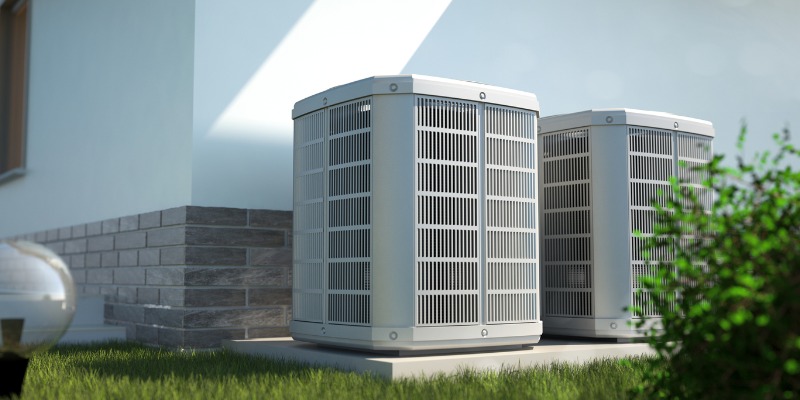
Geothermal heat pumps are among the most energy-efficient and eco-friendly home comfort systems available today. Unlike standard furnaces that burn fossil fuels or traditional air conditioners that struggle in extreme weather, geothermal systems harness the constant thermal energy stored just beneath the earth’s surface to heat and cool your home.
As your local Canadian HVAC experts, we are here to walk you through how geothermal heating works, the long-term benefits for your home, and how much you can save by switching.
At a Glance: Geothermal Heat Pumps Key Takeaways
If you are evaluating ground-source heating and cooling for your Canadian home, here is the quick breakdown of what you need to know:
- Up to 70% Energy Savings: Delivers up to 450% efficiency (4.5 COP), drastically reducing monthly heating and cooling bills compared to gas, oil, or electric baseboards.
- Reliable Year-Round Performance: Taps into stable underground temperatures (6°C to 12°C), ensuring steady heating even during extreme Canadian winter drops.
- 50+ Year System Lifespan: Indoor mechanical components last 20 to 25 years, while underground loop piping is built to last half a century or more.
- Flueless & Flame-Free Indoor Safety: Operates without open flames, fuel storage, or carbon monoxide risks inside your home.
- Rebate Eligible: Upfront loop installation costs can be significantly offset by federal and provincial heat pump incentive grants.
How Do Geothermal Heat Pumps Work?
Traditional furnaces create heat through combustion. Heat pumps, by contrast, do not create heat; they simply move it from one place to another.
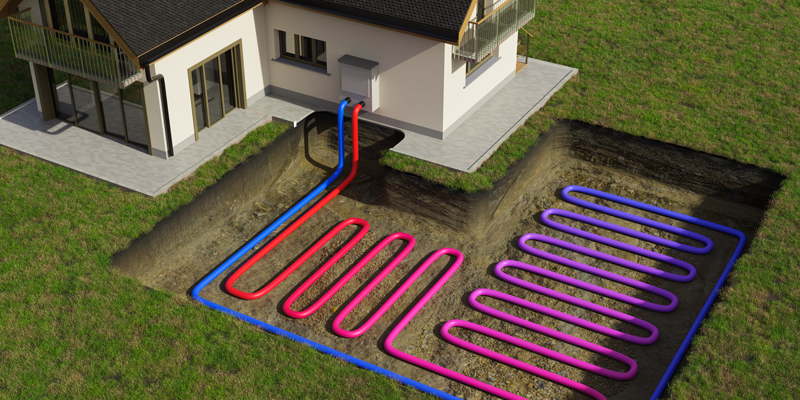
A geothermal heat pump relies on a closed loop of durable underground piping filled with a heat-transfer liquid. Because temperatures underground stay constant year-round in Canada (typically between 6°C and 12°C), the system provides reliable performance regardless of outdoor weather:
- In Winter: The underground liquid absorbs heat from the ground and transports it to the indoor heat pump, which distributes warm air throughout your home via ductwork, radiant in-floor heating, or domestic hot water systems.
- In Summer: The process reverses. The system extracts warm air from inside your home and transfers it back into the cooler earth, acting as an efficient central air conditioner.
The Top 5 Benefits of Switching to Geothermal Energy
Making the switch to ground-source heating and cooling is a major upgrade for any property, offering far more than just monthly energy savings. From unmatched efficiency to long-term reliability, here is why so many Canadian homeowners are choosing geothermal technology for their homes.
1. Unmatched Energy Efficiency and Lower Utility Bills
Geothermal heat pumps operate with a Coefficient of Performance (COP) of up to 4.5. This means that for every 1 unit of electricity used to run the pump, the system delivers up to 4.5 units of heating output (with the remaining 3.5 units coming free from ground heat).
| System Type | Typical COP / Efficiency | Heating Cost Reduction |
| Electric Baseboard | 1.0 COP (100% efficient) | Baseline |
| Cold-Climate Air-Source Heat Pump | ~2.0 COP (200% efficient) | 30% to 50% savings |
| Geothermal Ground-Source Heat Pump | Up to 4.5 COP (450% efficient) | Up to 70% savings |
2. Dependable, Even Heating in Cold Canadian Winters
Air-source heat pumps rely on outdoor air, which means their efficiency drops as freezing temperatures set in. Because ground temperatures remain stable below the frost line, geothermal systems deliver uniform heating without temperature spikes, drafty spots, or the need for a secondary backup system.
3. Long Lifespan and Minimal Maintenance
Because the primary heat pump unit is housed indoors away from severe weather elements, indoor components typically last 20 to 25 years. The underground loop piping is built to last 50 years or more with virtually no maintenance beyond standard filter changes.
4. Improved Indoor Safety and Equipment Protection
Unlike oil, propane, or gas furnaces, geothermal heat pumps operate without fuel storage, open flames, or toxic combustion byproducts like carbon monoxide. Additionally, because the main mechanical components sit safely indoors and the ground loop is buried, your entire system is completely protected from extreme weather damage, falling ice, or outdoor debris.
5. Reduced Carbon Footprint
Geothermal technology relies on clean, renewable energy stored underground. By replacing fossil fuel combustion with ground-source heat transfer, you significantly reduce your household’s greenhouse gas emissions.
Offset Upfront Costs with Canadian Energy Rebates
While geothermal systems require a higher upfront investment than standard furnaces due to ground loop installation, the system repays itself over time through energy savings and lower maintenance costs.
Additionally, Canadian homeowners can access government grants and rebate programs:
- Provincial Heat Pump Rebates: Programs like Ontario’s Home Renovation Savings Program offer substantial rebates (ranging from $3,000 up to $12,000 for non-gas homes upgrading to geothermal setups).
- CleanBC and Regional Top-Ups: Homeowners in Western provinces can access stacked provincial and municipal rebates when switching away from fossil fuel heating systems.
Is Geothermal Right for Your Property?
While ground-source heating and cooling offers incredible long-term benefits, it is not a one-size-fits-all solution. Determining whether geothermal is the right fit for your home comes down to a few practical factors on your property:
- Available Yard Space and Access: Horizontal ground loops require a larger yard or lot area for shallow trenching. If you have a standard urban lot, a vertical loop setup can be drilled instead, requiring very little surface area, though heavy drilling equipment still needs clear physical access to your yard.
- Soil and Geological Conditions: The depth of bedrock, soil moisture levels, and underlying rock types affect heat transfer rates and installation methods. Damp, clay-rich soil conducts heat efficiently, while very rocky ground may require specialized vertical drilling techniques.
- Existing Ductwork and Electrical Service: Geothermal heat pumps rely on forced-air ductwork or radiant in-floor systems to distribute heating and cooling. An HVAC technician will check whether your existing ducts can handle optimal heat pump airflow and verify if your home’s electrical panel supports the equipment.
- Your Long-Term Homeowner Goals: Because ground-source systems involve higher upfront installation costs than standard gas furnaces, geothermal delivers its greatest return on investment to homeowners who plan to stay in their home long-term or who want to fully eliminate fossil fuel combustion.
An experienced HVAC professional can conduct an in-home site evaluation, test your soil, and perform a heating load calculation to confirm if geothermal is a practical, cost-effective choice for your property.
FAQ: Geothermal Heat Pumps
Do Geothermal Heat Pumps Work in Cold Canadian Winters?
Yes. Because underground temperatures remain stable below the frost line regardless of freezing air temperatures, ground-source heat pumps operate reliably even during harsh winter conditions.
Can a Geothermal System Replace Both My Furnace and Air Conditioner?
Yes. Geothermal heat pumps handle both heating and cooling in a single, integrated system, eliminating the need for a separate air conditioner.
How Often Does a Geothermal Heat Pump Require Maintenance?
Indoor components should receive an annual HVAC tune-up, similar to standard heating and cooling equipment. The underground loop requires minimal ongoing maintenance once properly installed.
Upgrade Your Home Comfort with ClimateCare
Whether you want to lower your monthly utility bills, reduce your environmental impact, or achieve consistent year-round comfort, geothermal heating and cooling is a proven long-term investment. Protect your HVAC equipment and keep it running smoothly year-round with a WeCARE Maintenance Plan.
Contact your local ClimateCare team today to schedule an in-home evaluation and find out how much you can save by switching to geothermal.