
Location icon Find your local
climatecare
quote icon Get A Quote

Causes & Symptoms of Dry Air in Your Home and How to Fix It

Causes & Symptoms of Dry Air in Your Home

Many people in Canada are very uncomfortable through the winter and are unaware that the dry air in their homes is a major contributor. The good news is that they can fix that dry air quite simply. If you tend to get uncomfortable in the winter, you owe it to yourself to check out these signs of dry air and how you can fix them.

Signs Your Home is too Dry

You’ll see signs of dry air in your own health and in your home. Here are the symptoms you should look out for:

  • Static electricity: When there is less moisture in the air, you’ll experience more frequent static shocks from fabrics, hairbrushes, and other surfaces in your home.
  • Dry lips, eyes, throat, nose: Dry air will suck moisture out of your mucous membranes, like your eyes and mouth. This can make you very uncomfortable. Chapstick and water may work temporarily, but your dry home will keep drawing moisture out of you.
  • Dry skin and hair: You may also find that your skin and hair get quite dry during the winter. Dry skin can be uncomfortable, and moisturizers may not do enough to help. Dry hair is also more vulnerable to damage.
  • Dried, cracked, or warped wood: Your home will draw moisture out of wood too, which can permanently damage it by cracking or warping it. If your wood is covered with paint, you may notice the paint cracking.
  • Nosebleeds: Dry sinuses can lead to frequent winter nosebleeds.
  • Breathing troubles: Those who have lung and breathing conditions, anything from mild asthma to severe Chronic obstructive pulmonary disease(COPD), may find it harder to manage their symptoms in dry air.

If you are experiencing symptoms of dry air, a whole-home humidifier may be the answer! To learn more about how you improve the air quality in your home, contact your local ClimateCare expert today.
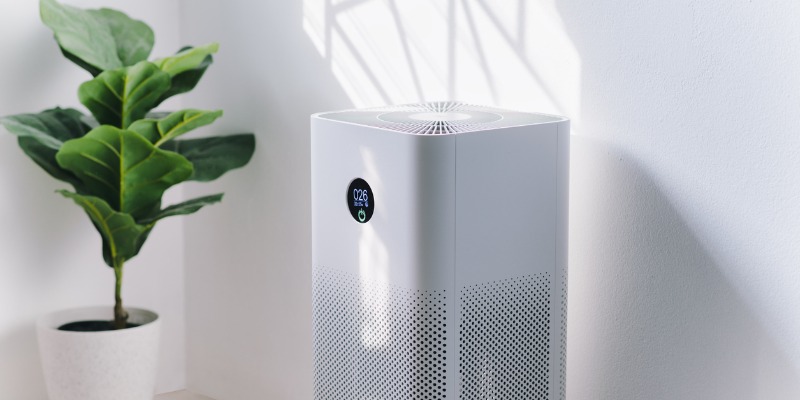
Our Humidifier Services

Humidifiers

Why Low Humidity is Dangerous to Your House

When indoor air gets too dry, building materials lose moisture and start to shrink. Over time, this can lead to cracked trim and mouldings, gaps in hardwood or laminate flooring, splitting doors, and even drywall cracks around joints and fasteners. Wood is especially sensitive. Once it dries out and warps, the damage is often permanent. Maintaining proper indoor humidity isn’t only about comfort; it helps protect the structure and finishes you’ve invested in.

What Relative Humidity Technically Means (and Other Terms)

Relative Humidity (RH) measures how much moisture is in the air compared to how much it can hold at that temperature. Warm air can hold more moisture than cold air, which is why RH drops in winter even if the actual moisture content hasn’t changed. Here are some other terms you should know.

  • Absolute humidity = total moisture in the air
  • Dry bulb = actual air temperature
  • Wet bulb = temperature with evaporative cooling
  • Humidex = perceived heat based on moisture and temperature

Relative humidity, therefore, compares the air’s actual moisture content (absolute humidity) to how much moisture that air can hold at its current actual (dry-bulb) temperature. Wet-bulb temperature reflects how readily moisture evaporates from the air, and humidex describes how warm that combination of temperature, humidity and evaporation feels to people. RH is the most useful measurement indoors because it reflects both comfort and material impact.

How Low Indoor RH Affects Your Health

Health Canada notes that very dry indoor air can contribute to dry skin, irritated eyes, cracked lips, sinus discomfort, and aggravated respiratory and allergy symptoms, especially during the winter heating season. Low humidity can also dry out nasal passages, reducing the body’s natural ability to trap viruses and bacteria. For most homes, Health Canada recommends maintaining indoor relative humidity between 30–50%, depending on outdoor temperature, to balance comfort, health, and condensation risk.

Other Factors That Can Lower Your Indoor Humidity

Several common home features actively dry the air. In addition to furnaces, fireplaces and wood stoves pull in combustion air and exhaust moisture outdoors. HRVs and ERVs exchange indoor air with colder, drier outdoor air. This might be essential for air quality, but could impact humidity if not balanced properly. Exhaust fans, leaky ductwork, and even oversized HVAC equipment can also reduce indoor RH. This is why humidity issues are often tied to ventilation and system design, not just the weather.

How to Fix Dry Air in Your Home

The best way to resolve your dry air troubles for good is to install a whole-home humidifier to your furnace. While your furnace heats your home, the humidifier will restore the moisture levels in the air. Your furnace will spread the moist air throughout your home.

There are a few different kinds of whole-home humidifiers, which come at different price points and can add more or less moisture to the air. We can help you choose the right one for you.

If you choose to install a whole-home humidifier, you’ll reduce symptoms of dry air. Plusair that is properly humidified holds more heat, making your furnace more efficient and your home more consistently comfortable, sometimes even at lower temperature, saving you energy.

Upgrade Your Home Humidity Today With ClimateCare

You can get a more comfortable home all through winter with a whole-home humidifier. Reach out to your local ClimateCare to discuss the different types of humidifier models and which one would be best for your home.


Learn More About Our Humidifiers

Archives